One-Person Operation
Streamlined handling for routine maintenance.
Solar Panel Cleaning Solutions
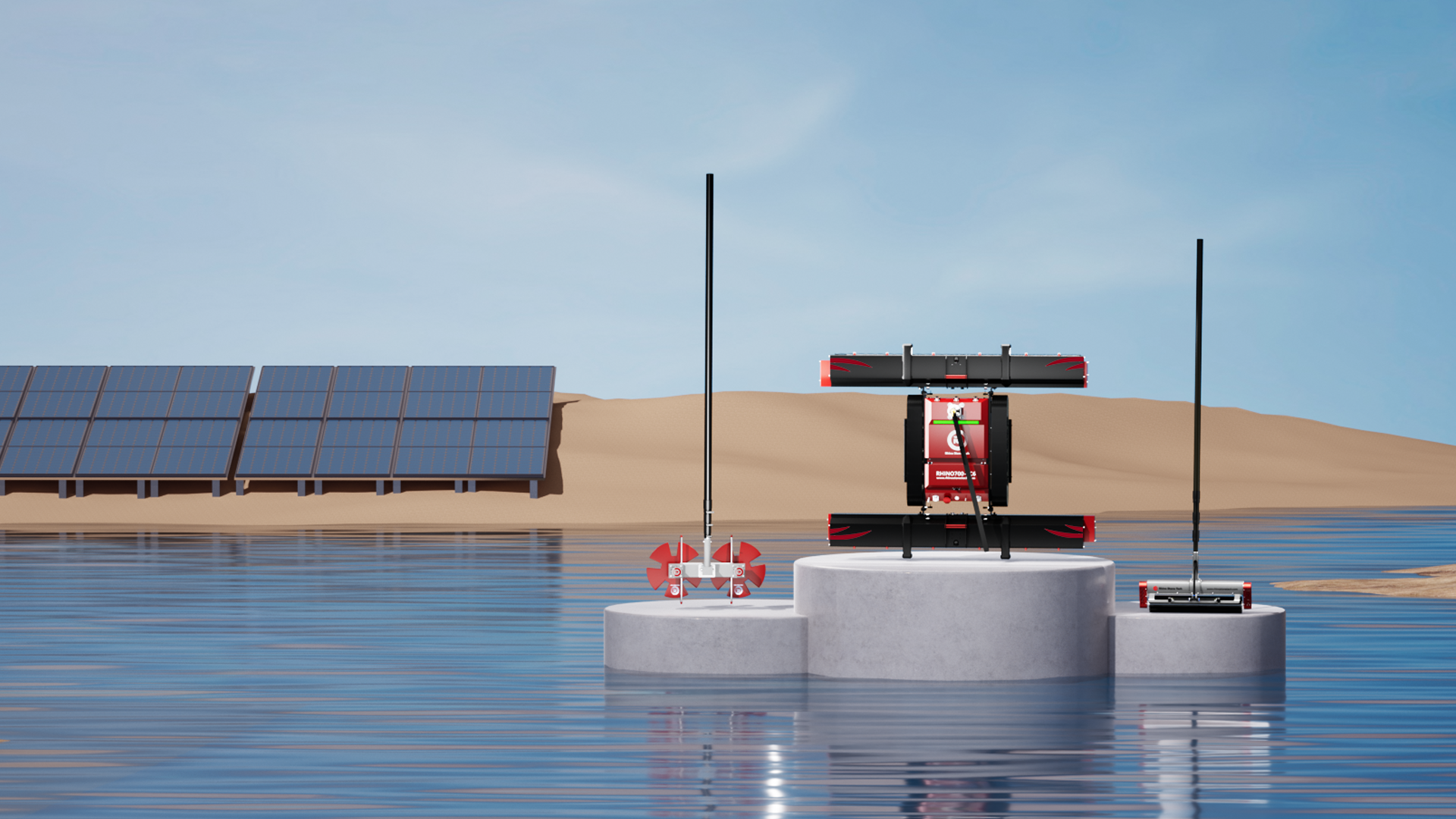
Start with the panel-array layout, surface conditions, and operating rhythm. RhinoPole·EH1-CF12, RhinoPole·EH2-CF6, RhinoPole·EH3-CF6, and RhinoPole·EH4-CF3.6 can be matched to different PV cleaning routes.
Built for field work
Simple equipment choices, flexible cleaning routes, and components designed for repeated PV maintenance work.
Streamlined handling for routine maintenance.
Adaptable to site cleaning requirements.
Works with telescopic carbon fiber poles.
Purpose-built brush formats for wider routes.
Designed around solar panel maintenance.
Build a setup around your application.
Cleaning Technique
Solar panel cleaning is not only about choosing one brush head. The right setup should match the array layout, panel height, access route, water quality, dust level, and the number of daily passes your team needs to finish safely.
Why Clean Solar Panels
PV panels work best when light reaches the glass evenly. In real projects, surface contamination builds up from rain marks, dust, bird droppings, construction particles, coastal salt, and factory air. The result is not only a dirty appearance. Uneven dirt can create local shading, reduce daily generation, and make the maintenance team spend more time on repeat cleaning.
A practical cleaning plan should be repeatable. It needs enough working width to cover the route, enough reach to avoid unsafe body positions, and enough water control to rinse dust without wasting water on every pass. This is why RHINOPOLE solutions are arranged by array structure instead of only by product name.
Single-Row Array / RhinoPole·EH1-CF12 & H1
Single-row arrays usually need flexible handling more than maximum width. The operator may work around roof edges, residential PV routes, smaller commercial roofs, and compact sites where the cleaning direction changes often. In these cases, a lighter brush head and a well-matched telescopic pole help the team move faster without overloading the arms.
RhinoPole·EH1-CF12 can be paired with H1 pole options for a simple water-fed workflow. The system is suitable for routine dust removal and panel surface care where the working area is not wide enough to justify a larger double-disc head. For installers and small O&M teams, this route keeps the equipment easier to transport, store, and deploy.
Recommended / Double-Row Array
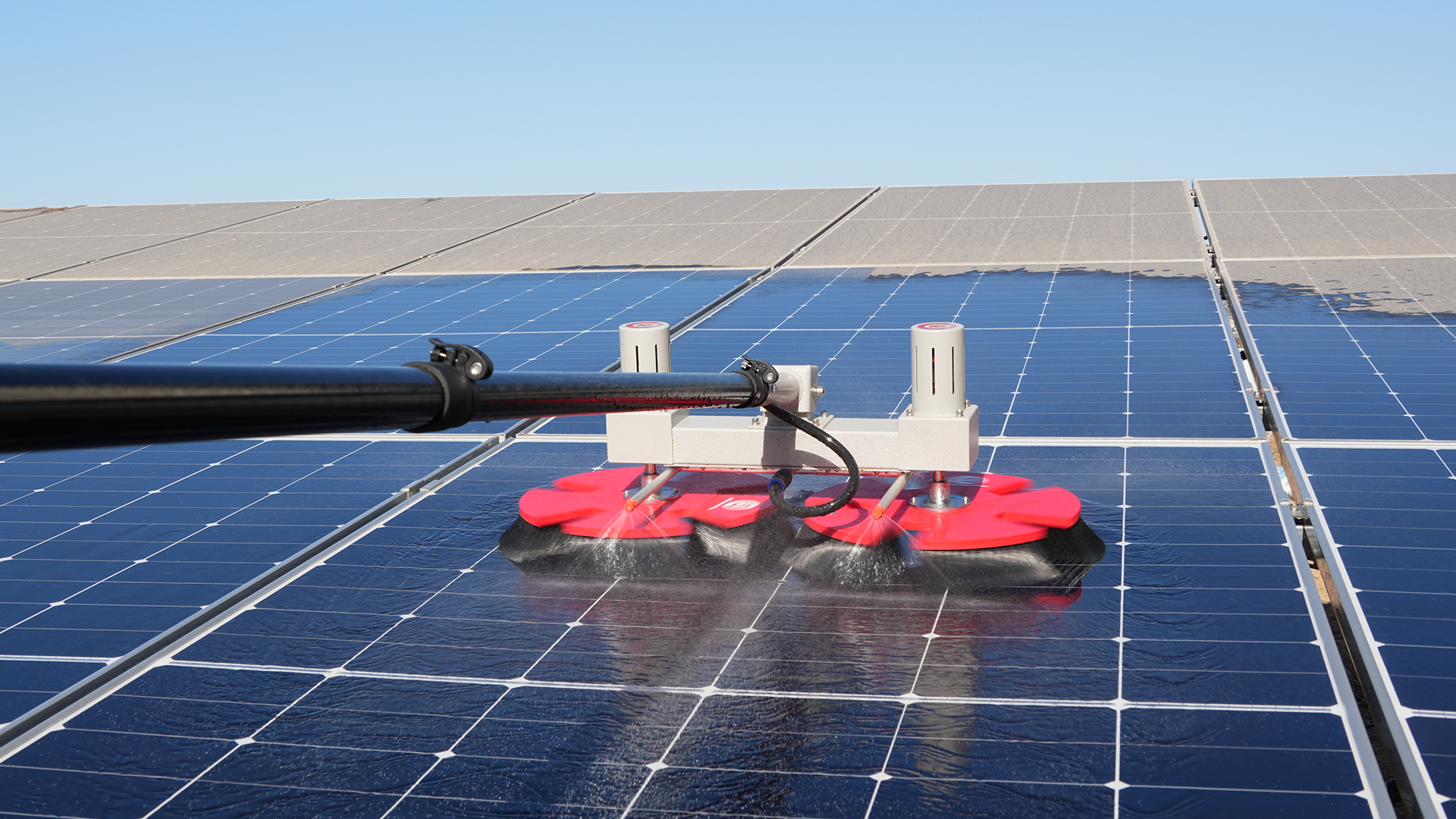
For many commercial and utility PV sites, double-row arrays are the most practical cleaning target. A single small brush can require too many passes, while oversized equipment can become harder to control around turns and route changes. RhinoPole·EH2-CF6 uses a dual-disc brush structure to increase working width while keeping the head manageable for pole-based cleaning.
The double-disc format is useful when the team needs a stable rhythm: move along the row, keep consistent contact with the glass, and finish each section with fewer repeated passes. When matched with carbon fiber poles, water-fed accessories, and RO water supply, RhinoPole·EH2-CF6 becomes the main recommendation for regular O&M teams and project kit supply.
Multi-Row Array / RhinoPole·EH3-CF6
Multi-row PV areas often need equipment that can stay stable across a longer cleaning path. RhinoPole·EH3-CF6 uses a roller-brush format for routes where continuous panel rows benefit from smooth forward movement. Instead of focusing only on single contact points, the brush shape supports consistent surface engagement during longer passes.
This route is suitable for sites that want a more project-oriented cleaning kit. It helps teams standardize the working method for larger arrays, reduce training friction, and keep the equipment choice easier to explain to buyers who manage multiple PV areas with similar cleaning needs.
Water Fed Pole & RO Support
For repeatable solar panel cleaning, the water route matters as much as the brush head. A telescopic pole improves reach, while water-fed accessories help carry rinse water to the panel surface. When the site needs cleaner rinsing and fewer water marks, RO machine support can help provide purified water for a more professional finish.
This is especially important for buyers who need a complete supply package instead of one single product. RHINOPOLE can be configured with brush heads, poles, hose accessories, and water treatment equipment so distributors and O&M teams can present one clear cleaning solution to their customers.
Request a Cleaning Setup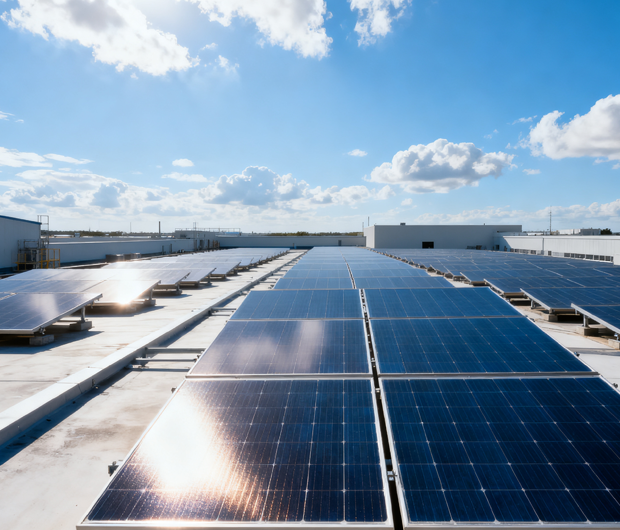
Safety And Protective Equipment
On roofs, facades, and large PV sites, cleaning work often happens near edges, raised structures, wet surfaces, or strong sunlight. The equipment should help the operator maintain reach without leaning into risky positions. Longer poles, stable brush movement, and a planned cleaning route can reduce unnecessary climbing and repositioning.
Before a project starts, confirm the access path, water source, drainage direction, fall protection requirements, and communication rhythm between workers. The cleaning system should support the operator, but the site method still needs clear safety discipline.
Recommended for double-row arrays that need wider coverage and balanced handling during regular O&M work.
A reach-focused accessory route for rooftop and elevated panel areas where safer handling matters.